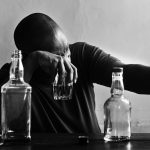
Addiction is a chronic condition that involves compulsive seeking and taking of a substance or performing of an activity despite negative or harmful consequences. It can significantly impact in a negative way your health, relationships and overall quality of life.
Types of addictions
- Substance-Related Addictions (Chemical Addictions)-It involves intake of chemical substances that alter the brain’s chemistry, leading to tolerance, withdrawal, and dependence. These include; alcohol addiction, tobacco/nicotine addiction, opioid addiction, cannabis addiction, stimulant addiction (cocaine, prescription ADHD medications), sedative/hypnotic addiction, inhalant addiction (glue, paint thinners, aerosols), hallucinogen addiction.
- Behavioral Addictions (Process Addictions)- These involve a compulsion to engage in a rewarding, non-substance-related behavior.
 They include; gambling disorder, gaming disorder (impaired control over gaming) internet addiction, social media addiction, (TikTok, Instagram, or twitter) shopping/spending addiction, sex and pornography addiction, food addiction (usually food high in sugar, fat, or salt), exercise addiction, work addiction (workaholism), love and relationship addiction (needing to be in a relationship to feel worthy, often leading to codependency and staying in unhealthy situations) kleptomania (compulsive urge to steal items, usually not for personal gain or monetary value, but for the thrill or relief of tension), plastic surgery addiction.
Major signs of addiction
Inability to stop– one may use a substance or engage in harmful addictive behavior, want to stop it or even have tried multiple times to reduce the substance use or behavior but can’t. Increased tolerance– with time, they may need more of the substance or activity to feel the same euphoric effects as they did before. Intense focus on the substance or activity-they spend more time craving, obtaining and thinking of the subject of the addiction. Personal problems and health issues-one may have issues fulfilling responsibilities at work, school or home due to substance use or the activity. Withdrawal-they experience emotional and physical withdrawal symptoms when they stop using like shaking, sweating or vomiting, anxiety or irritability.
Possible reasons for addiction
Genetics-Studies show that genetic factors are responsible for 40% to 60% of the vulnerability to any substance use disorder.
Mental health conditions-There’s a strong link between addiction and mental health conditions, such as depression, post-traumatic stress disorder and bipolar disorder.
Environmental factors-Access to substances, the extent of exposure and the opportunity for substance use e.g. use of substances by a member of your household or your peers and being prescribed medications that can be misused. Adverse childhood experiences (ACEs) also play a role.
How can one get helped?
- Therapy/ Counselling: Several types of therapy help people with addiction gain new perspectives and change their behavior e.g. psychotherapy, cognitive behavioral therapy, or group therapy.
- Support groups: this may include support groups, such as Alcoholics Anonymous or Narcotics Anonymous
- Medications: Certain medications can reduce urges, cravings and ongoing withdrawal symptoms.
- Hospital management: Special hospital units practice monitoring and therapy to care for you while you go through substance withdrawal.
- Rehabilitation (rehab): This is also called “sober living” or “residential treatment.” Providers offer structured counseling, education, support and encouragement during rehab.
N/B
There is no single cause of all addictions because it is a very complex condition.
Try not to give up, it is doable.
Get inspired for life
Tom KIUNA
March 16, 2026 at 11:12 am
Wohhh, another very insightful article. Arcadia Harmony you are doing a great service in creating awareness on Psychosocial issues and mental health.
I did not know there are serious digital and social media addictions. Well done and God bless
Margaret Otichiro
March 16, 2026 at 4:36 am
Thank you for the insights and nuggets on addiction.